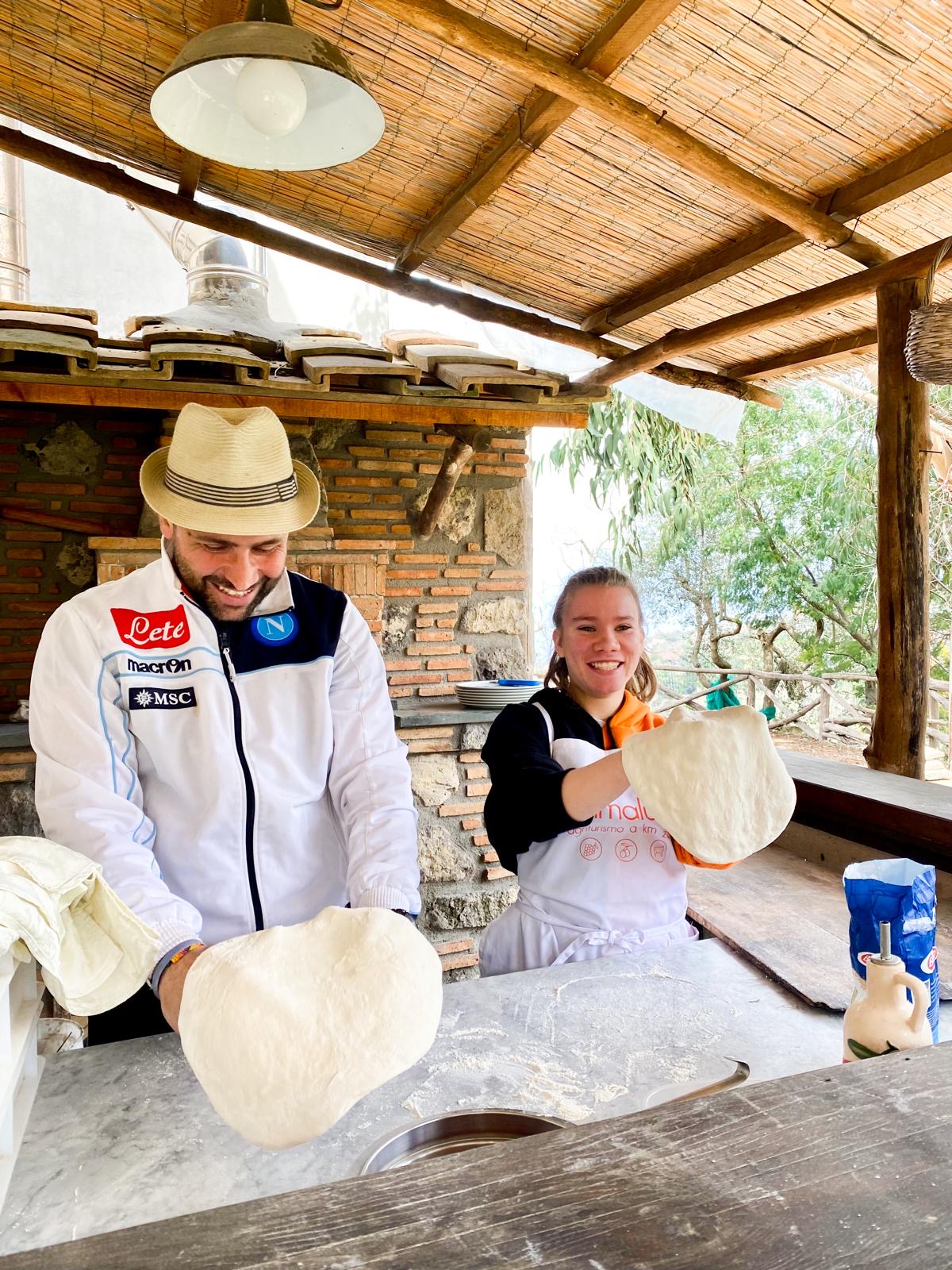
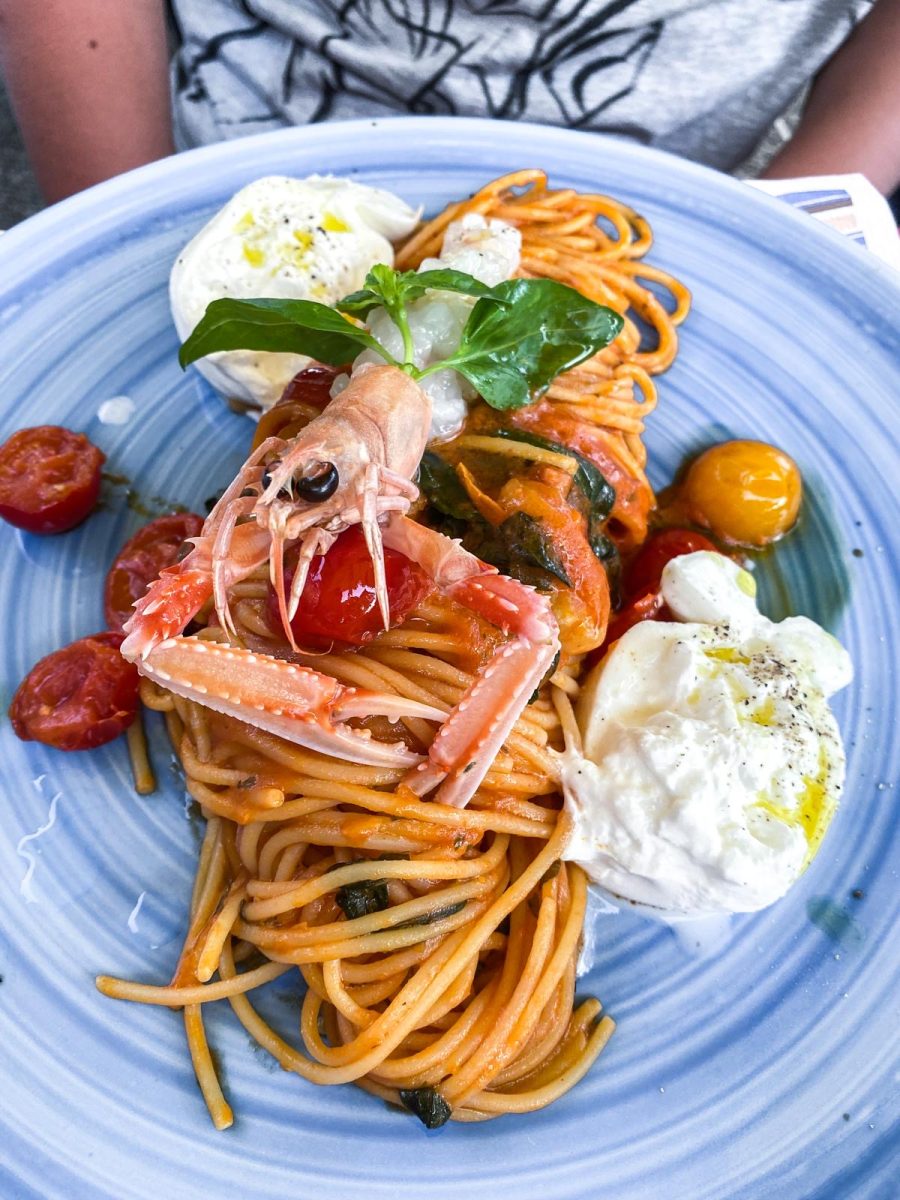
Food in America and Italy couldn’t be more different, but one of the biggest surprises I had when living abroad wasn’t just what people eat – it was how they eat.
In the U.S., most people are used to classic food pairings like burgers and fries or chicken and rice with any drink that the person is feeling at that time. In Italy, it’s the same idea, but with much more attention to detail when it comes to drinks. Italians follow what feels like an unwritten code about what goes with what. Red wine pairs with meats like beef or pork, and depending on how the dish is prepared, the wine can be bitter, sweet, sparkling, or still. White wine, on the other hand, is for lighter meals like salads, appetizers, and pastas, with variations depending on the dish’s flavor and what complements it best.
If you’re not drinking alcohol, the usual options are pretty limited – sparkling or still water, lemon soda, Fanta, Coke Zero, Red Bull, or juice are the regular selections, and sometimes you get lucky, and other types of soda are on offer. In America, drink choices are pretty casual, but in Italy, ordering the “wrong” drink can earn you a few stares or even a polite correction from your waiter. Italians take food and drink pairings seriously, and they want you to do it right.
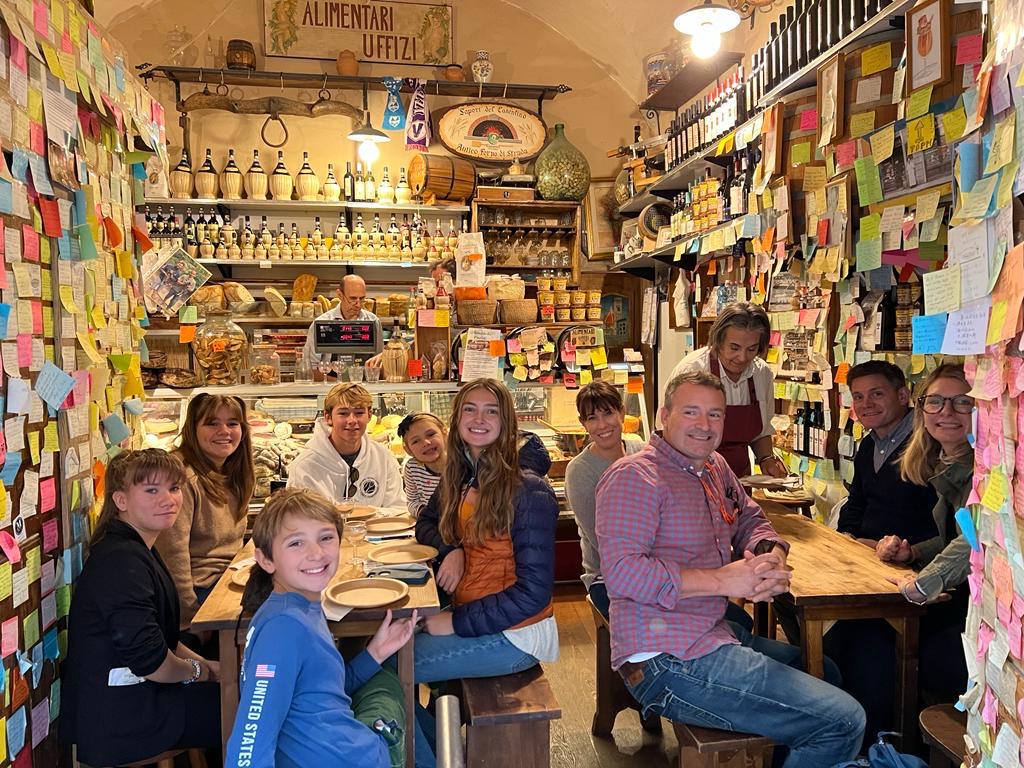
The timing of meals was another culture shock. The usual American breakfast is served between 7:00 and 9:00 a.m., and it’s usually a filling meal to start the day. Lunch hits around 11:30 a.m. to 1:00 p.m. and tends to be something quick but hearty—like a sandwich or pizza. Dinner usually falls between 5:00 and 8:00 p.m. and is often a comforting, filling meal to close the day.
In Italy, the schedule is very different. Breakfast, or colazione, barely counts as a meal. It usually happens around 10:00 or 11:00 a.m. and consists of coffee and a small pastry. Most restaurants aren’t even open for anything else at that time, except cafés serving fresh pastries, yoghurt, and fruit.
Lunch, known as pranzo, is a step up, typically around 1:00 to 2:30 p.m. It’s a real meal but still lighter than dinner, often one main dish and maybe an antipasto, which is an appetizer. After that, restaurant kitchens usually close until the evening.
Dinner, known as cena, is when Italians go all out. It’s the biggest meal of the day, often with up to six courses—antipasto, primo (first course), secondo (main dish), contorno (side dish), dolce (dessert), and finally coffee or a digestivo like limoncello or grappa. Dinner usually starts no earlier than 8:00 p.m. and can last anywhere from two to six hours, depending on who you’re with and where you’re eating.
Living in Italy completely changed the way I look at meals. In America, eating is often about convenience—something to get you through the day. But in Italy, every meal feels like a celebration. It’s not just about the food on the plate; it’s about slowing down, sharing time with others, and truly enjoying the moment.